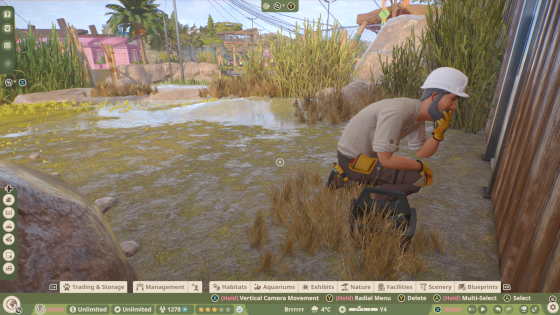
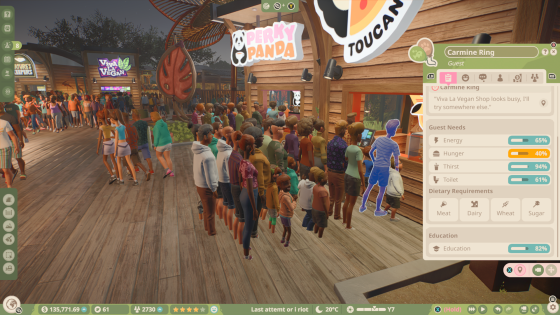
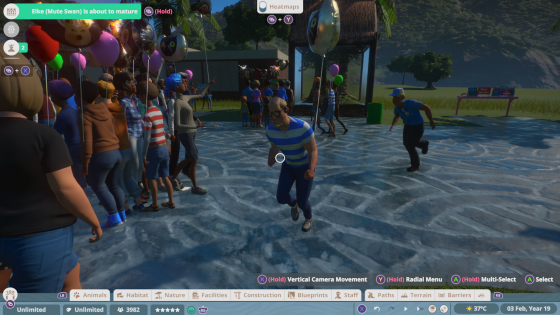
Starting a new zoo in Planet Zoo 2 can be a little overwhelming. Picking the wrong animals early on can leave you struggling to pay staff, feed your animals, and keep guests happy.
The trick isn’t necessarily choosing the most exciting animals. It’s finding affordable species that are easy to care for, attract visitors, and bring in enough donations to keep your zoo profitable.
When starting a new Franchise zoo in the original Planet Zoo, I knew which animals to prioritize. I wanted species that would help my zoo become profitable without costing too much to buy, house, or maintain, especially when money and Conservation Credits were limited.
In Planet Zoo 2, the same basic principles apply. You still need to grow your zoo without going into debt, but there’s now an additional obstacle to overcome: accreditation tiers.
How to Choose the Best Starting Animals
Before I even mention the animals, my number one tip is simple: donation bins. Place them wherever guests gather to view animals, particularly around popular viewing areas and walkthrough habitats, the more money you have, the more animals you can buy.
There are several things worth considering when choosing which animals to purchase. Herbivores are generally cheaper to feed than large carnivores, while animals with higher guest appeal can attract more guests, and species requiring smaller habitats and inexpensive barriers can be considerably cheaper to house,
Two of my favorite starting animals from the original Planet Zoo, Common Warthogs and Springboks, are available at the first accreditation tier in Planet Zoo 2, and I’d still recommend both. However, after testing several species in a new Franchise zoo, a few others have earned their place on my list.
1. Common Warthog
The Common Warthog is one of my favorite choices when starting a new zoo. I mean seriously, just look at how cute they are.

Not only are they cute, they’re pretty cheap to keep, don’t require an enormous habitat, and are easy enough to care for while you’re getting your zoo established and more importantly, they’re perfectly capable of helping a small zoo attract visitors and generate donations.
They do produce piglets, which are an adorable bonus. However, breeding isn’t why I’d recommend them. They don’t breed often enough, and their offspring aren’t valuable enough to make breeding a particularly profitable strategy. Warthogs are simply good, affordable starting animals which are relatively easy to see thrive in your zoo.
2. Wild Boar
Wild Boars are another of my top picks for starting animals, and they were one of the strongest performers in my zoo. They’re affordable to maintain, relatively straightforward to look after, and proved particularly good at attracting donations, generating more than $8,000 in donations in a single season during my first zoo year.

Wild Boar piglets are arguably some of the cutest animals in the whole game, but they’re not especially profitable to sell. The money Wild Boars bring in while guests visit them, though, is enough to make them one of my top picks.
3. Meerkat and Aardvark
Meerkats are an excellent option for players who don’t want to dedicate huge amounts of space to their first few habitats, although they’re not particularly cheap to buy.

They’re happy living in anything from a pair to a much larger group, can share habitats with compatible species, and are comfortable with guests walking right through their home. They’re just all-around low-maintenance, chilled out little guys.

Aardvark share most of their welfare needs, and also work well in a walkthrough habitat, which is always a hit with guests. Sharing compatible habitats can also be a useful way to make the most of your space while keeping down your construction costs.
4. Galápagos Giant Tortoise
The Galápagos Giant Tortoise is definitely one for your list. They’re straightforward to care for, require relatively modest amounts of space, and have exceptionally long lifespans.
They’re also a great attraction for guests, and their enclosure can also be designed as a walkthrough habitat. Their long lifespans are particularly appealing when you’re establishing a new Franchise zoo, as you won’t need to worry about replacing them nearly as frequently as some shorter-lived species.
5. Amazonian Giant Centipede
These little creatures are an excellent addition to a new zoo because they don’t require a large, expensive habitat.

A basic exhibit is enough and provided you keep their environmental requirements and population under control. But, because they breed quickly, and their offspring can be surprisingly valuable, they can be a great way to add some extra money to your zoo for new enclosures and areas.
There is one downside, though. Breeding can immediately leave your exhibit overcrowded, with just one birth triggering crucial welfare alerts.

Planet Zoo 2 doesn’t have the automated population management tool that made exhibit breeding in the original Planet Zoo much easier to manage and I’m genuinely gutted about this.
It’s now worth considering whether fast reproduction is necessarily an advantage if you’re constantly having to monitor your exhibits to prevent overcrowding and animal welfare problems. Still, if you’re happy to manage the population manually, Amazonian Giant Centipedes are one of my favorite choices for earning a little extra cash.
6. Toco Toucan
Birds can require a little more investment at the beginning, particularly when you’re constructing an aviary rather than a traditional habitat. You’ll need to consider flying space, height, and a suitable roof, which can make construction more involved than simply putting up a basic barrier.
But if you want a flying animal, Toco Toucans are the only ones available immediately in Franchise Mode, and they’re not a bad choice.

They’re happy with a fairly basic aviary and give guests something different to look at. However, I wouldn’t recommend them as a breeding strategy, as they can be particularly reluctant to breed. They’re still a worthwhile addition if you want to introduce aviaries early on, especially once you’ve established a steady income from your first few habitats.
What About Other Starting Animals?
When you first enter Franchise Mode, your animal choices are limited because most species are locked behind accreditation tiers, and even the animals included in your current tier need to be available on the market.
In my experience, there’s often only a small selection of animals that are both available and affordable, alongside seven pages of nothing but boars. I wish I were exaggerating.
There are 32 animal species available immediately when starting Franchise Mode, although availability on the animal market is another matter entirely.
Habitat Animals
- Aardvark
- Bactrian Camel
- Black Wildebeest
- Blue Wildebeest
- Cape Buffalo
- Common Ostrich
- Common Warthog
- Galápagos Giant Tortoise
- Meerkat
- Nyala
- Plains Zebra
- Red Deer
- Springbok
- Thomson’s Gazelle
- Toco Toucan
- Wild Boar
Exhibit Animals
- Amazonian Giant Centipede
- Cloudless Sulphur
- Common Bluetongue
- Giant Forest Scorpion
- Giant Malaysian Leaf Insect
- Giant Tiger Land Snail
- Sacred Scarab Beetle
- Yellow Anaconda
Aquarium Fish
- Bluespine Unicornfish
- Blunthead Cichlid
- Clown Anemonefish
- Clown Loach
- Common Rudd
- Koi
- Schooling Bannerfish
- Yellow Tang
Terrestrial Animals
A common approach to building a zoo is to fill most of a habitat’s population allowance with females, add a male, and breed like crazy. However, there’s often a huge gender imbalance on the animal market, something that Frontier will hopefully patch soon. I wouldn’t worry too much about that, though, because breeding isn’t the only way to make money.

Entry tickets and donations are staple sources of income, and guests mainly want a good selection of well-cared-for animals.
Aquatic Animals
Aquatic animals might not be the most economical choice when you’re first establishing a zoo. The cost of building and maintaining an aquarium can be considerably higher than that of a basic terrestrial habitat.
One way to reduce construction costs is to house suitable fish in an exhibit rather than a full aquarium, however, this doesn’t get around the issue that, in my experience, fish have generally only been available for Conservation Credits, often quite a lot of them. You’ll probably want to grow your zoo before spending too many of your hard-earned Conservation Credits on fish.
Butterflies
Cloudless Sulphur butterflies are available immediately in Franchise Mode, but I haven’t personally found any that were both available and affordable. Butterflies were great money-makers in the original Planet Zoo, and with their larger exhibit, population limits shouldn’t be quite as restrictive as they are for some smaller exhibit animals.
If you come across them at a decent price, they could be worth considering as another potential source of income.
What Should I Do First?
Choosing the right animals is important, but even the cheapest species won’t save a zoo that’s spending more than it earns.
Start with only what you need: staff buildings, a drink shop, a restroom, a couple of habitats with donation bins, recycling bins, benches, and education boards.

Hire only the staff you need. It’s tempting to create an enormous entrance, elaborate habitats, and beautifully decorated paths before opening your zoo but unfortunately, all of that costs money.
Start with three or four simple habitats, you can always improve them later, but make sure their welfare requirements are met, as guests are more likely to donate to well-cared-for animals.
Guests will also tell you when something needs improving. Increase entrance ticket prices when guests start commenting that admission is underpriced. When visitors complain that your zoo is too small, it’s time to consider expanding. The same applies to food, drink, education, energy, and guest happiness.
Grow your zoo when you need to, rather than spending money simply because you can, the last thing you want is a massive zoo which drains money, and needs the expense of extra entrances. It’s not just about which animals you choose. Happy, healthy animals help keep guests satisfied, and satisfied guests are more likely to donate. As you improve your zoo rating and meet other requirements, you’ll attract more visitors, bringing in additional ticket sales, shop income, and donations. It’s all connected. You just need to grow at a pace that matches where you are, not where you want to be.

That’s why picking those first animals carefully is such a crucial part of building a successful Franchise zoo. Affordable animals that are cheap to care for, happy, and healthy can ultimately be more valuable than animals chosen purely for their breeding potential.
Don’t Forget Animal Research
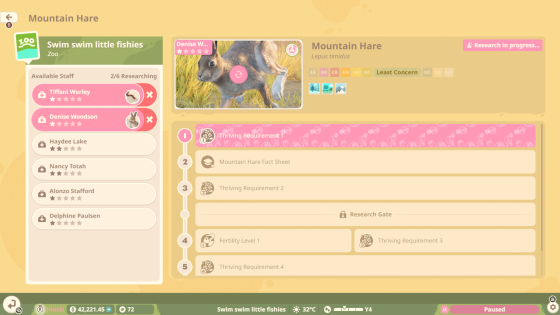
You don’t need to rush into research immediately, but it’s worth making animal and education research an early priority once you can afford it. Animals have some food and toy enrichment available without research, so you can meet their basic enrichment needs from the beginning, so leave that one for later.
Research can also help your animals thrive. The new Thriving system goes beyond basic welfare, rewarding improved animal care and potentially increasing the donations your animals attract.
Support Unboxed Reviews
Donations are entirely voluntary. Supporters receive no editorial influence — our reviews remain 100% independent.